
"moka coffee beans"
900 article(s) found

Is the card pot a tool for extracting espresso? It is common in European and Latin American countries
Moka Pot is a tool for extracting espresso, which is widely used in Europe and Latin American countries, and is called Italian trickling filter in the United States. The mocha pot has a two-layer structure, and when the water in the lower part is boiled, it is sprayed into the upper half of the pot through a mesh filter containing coffee powder. Although hot water can be injected into finely ground coffee without using air pressure.

What's the flavor of Yemeni coffee? How do you drink Yemeni coffee? What are the famous coffee beans in Yemen?
Professional coffee knowledge exchange more coffee bean information please follow the coffee workshop (Wechat official account cafe_style) coffee bean application, originated in Ethiopia, the history is difficult to trace. As for the records of coffee drinks made by human beings, it will be in Yemen in the 15th century. Local Sufi Muslims (Sufi Muslim) drink coffee at religious ceremonies to promote their denomination

Introduction of Mocha producing areas in Yemen? What are the reasons for the low coffee production in Yemen?
Professional coffee knowledge exchange more coffee bean information please pay attention to the origin of coffee workshop (Wechat official account cafe_style) Yemeni mocha coffee Yemeni coffee culture is different from other places, the unique flavor characteristics can be partly attributed to the country's ancient trade style. Yemeni Coffee was the first coffee to be commercialized (for trading) through the port city of Al Mahka

A brief description of the flavor and taste characteristics of walnut-scented Tieka Coffee Manor.
▲ Maui is famous for its iron pickup coffee varieties in Kona District, the Great Island of Hawaii. Tied for first place with Moca in the 2014 Hawaiian Cup. Intense citrus and floral aromas enrich the taste buds on the palate, and you can feel all kinds of tropical fruits flapping your tongue like waves in the middle. Nuts and chocolates are stacked on the taste buds, intertwined into a shocking and lingering finish.
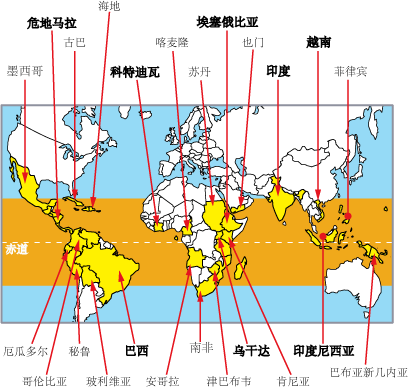
The characteristics of Arabica beans coffee producer reunion coffee beans reunion
Reunion is no longer the hometown of bourbon Arabica coffee beans. In 1715, the first coffee trees (about 40) were transported from the Yemeni port of Moka to La Runion, but unfortunately only two survived. By 1719, coffee plantations had begun to flourish and the first coffee beans were sold. Over the next few years, the government adopted a rigid measure: no matter whether the island's residents were black or black.

The hometown of bourbon Arabica coffee beans, reunion coffee beans in Yemen
Is no longer the hometown of bourbon Arabica coffee beans. In 1715, the first coffee trees (about 40) were transported from the Yemeni port of Moka to LaRunion, but unfortunately only two survived. By 1719, coffee plantations had begun to flourish and the first coffee beans were sold. Over the next few years, the government took a hard measure: the islanders, whether black or white,

The hometown of bourbon Arabica coffee beans, Reunion.
Is no longer the hometown of bourbon Arabica coffee beans. In 1715, the first coffee trees (about 40) were transported from the Yemeni port of Moka to La Runion, but unfortunately only two survived. By 1719, coffee plantations had begun to flourish and the first coffee beans were sold. Over the next few years, the government took a hard measure: the islanders, whether black or white, had to
Starting with Coffee beans (45)-Asia-Reunion
Is no longer the hometown of bourbon Arabica coffee beans. In 1715, the first coffee trees (about 40) were transported from the Yemeni port of Moka to La Runion, but unfortunately only two survived. By 1719, coffee plantations had begun to flourish and the first coffee beans were sold. Over the next few years, the government took a hard measure: the islanders, whether black or white, had to

Reunion is no longer the hometown of bourbon Arabica coffee beans.
Is no longer the hometown of bourbon Arabica coffee beans. In 1715, the first coffee trees (about 40) were transported from the Yemeni port of Moka to LaRunion, but unfortunately only two survived. By 1719, coffee plantations had begun to flourish and the first coffee beans were sold. Over the next few years, the government took a hard measure: the islanders, whether black or white,

Recommended by coffee and bean producing countries of Reunion
In 1715, the first coffee trees (about 40) were transported from the Yemeni port of Moka to La Runion, but unfortunately only two survived. By 1719, coffee plantations had flourished and the first beans were sold. Over the next few years, the government took a hard measure: the islanders, black and white, had to plant 100 coffee trees a year. The law was amended in 1723

Suggestion on brewing coffee with fermented brandy in litchi brandy barrel of Manor Moka in Honduras
Professional coffee knowledge exchange more coffee bean information please follow the coffee workshop (Wechat official account cafe_style) Litchi brandy barrel fermentation washing varieties: Kaddura Kaduai altitude: 1500-1700m; treatment in the town of Intibuka: fine washing + brandy barrel fermentation Honduran brandy oak barrel fermentation
It is no longer the hometown of bourbon Arabian coffee beans, Reunion.
Is no longer the hometown of bourbon Arabica coffee beans. In 1715, the first coffee trees (about 40) were transported from the Yemeni port of Moka to La Runion, but unfortunately only two survived. By 1719, coffee plantations had begun to flourish and the first coffee beans were sold. Over the next few years, the government took a hard measure: the islanders, whether black or white, had to
Introduction to coffee brewing utensils what are the most commonly used utensils for making coffee?
Professional coffee knowledge exchange more coffee bean information Please follow the coffee workshop (Wechat official account cafe_style) the main tools for coffee extraction include drip coffee siphon pot (Syphon) mocha pot (Moka Pot) Belgian royal coffee pot (Balancing Syphon) French filter pressure pot electric coffee machine hand coffee maker German hair
Coffee producing area Coffee introduction Reunion Coffee
Is no longer the hometown of bourbon Arabica coffee beans. In 1715, the first coffee trees (about 40) were transported from the Yemeni port of Moka to La Runion, but unfortunately only two survived. By 1719, coffee plantations had begun to flourish and the first coffee beans were sold. Over the next few years, the government took a hard measure: the islanders, whether black or white, had to
La Reunion Reunion, a coffee producer in the world
Is no longer the hometown of bourbon Arabica coffee beans. In 1715, the first coffee trees (about 40) were transported from the Yemeni port of Moka to La Runion, but unfortunately only two survived. By 1719, coffee plantations had begun to flourish and the first coffee beans were sold. Over the next few years, the government took a hard measure: the islanders, whether black or white, had to

A brief introduction to Yemeni mocha coffee
The oldest coffee in the world-- Yemeni mocha coffee
Global coffee producing area-Reunion
In 1715, the first coffee trees (about 40) were transported from the Yemeni port of Moka to LaReunion, but unfortunately only two survived. By 1719, coffee plantations had begun to flourish and the first coffee beans were sold. Over the next few years, the government took a hard measure: the islanders, black and white, had to plant 100 coffee trees a year. The law of 1723

The coffee producing area of Reunion.
In 1715, the first coffee trees (about 40) were transported from the Yemeni port of Moka to LaReunion, but unfortunately only two survived. By 1719, coffee plantations had begun to flourish and the first coffee beans were sold. Over the next few years, the government took a hard measure: the islanders, black and white, had to plant 100 coffee trees a year. The law of 1723

The characteristics of Reunion Coffee
In 1715, the first coffee trees (about 40) were transported from the Yemeni port of Moka to LaReunion, but unfortunately only two survived. By 1719, coffee plantations had begun to flourish and the first coffee beans were sold. Over the next few years, the government took a hard measure: the islanders, black and white, had to plant 100 coffee trees a year. The law of 1723